
Types of Online Slots Basics
Walk into any online casino lobby in Singapore and you'll see hundreds of slots—but most fall into just a handful of categories. Knowing the types of online slots saves you from chasing the wrong game for your bankroll. A three-reel classic plays nothing like a 117,649-way Megaways monster, and a progressive jackpot slot eats your balance differently than a fixed-payout one. After years of sitting beside students who couldn't figure out why one game drained them in ten spins while another lasted an hour, I can tell you the difference almost always comes down to slot type and the math behind it. This guide breaks down every major category, how each mechanic works, and how to match a slot to the way you actually like to play—without the marketing fluff that most lobbies bury you in.
Let's get into it.
★ Our Recommendations
| 200% Match Bonus up to S$300 | Play | ||
| 125% Welcome Bonus up to S$300 + 150 Bonus Spins | Play | ||
| 200% up to S$750 + 250 Free Spins | Play |



What Are the Main Types of Online Slots?
Here's the thing most lobbies won't tell you: nearly every slot you'll ever spin is a variation on five core families. Learn these and the chaos of a thousand game tiles suddenly makes sense.
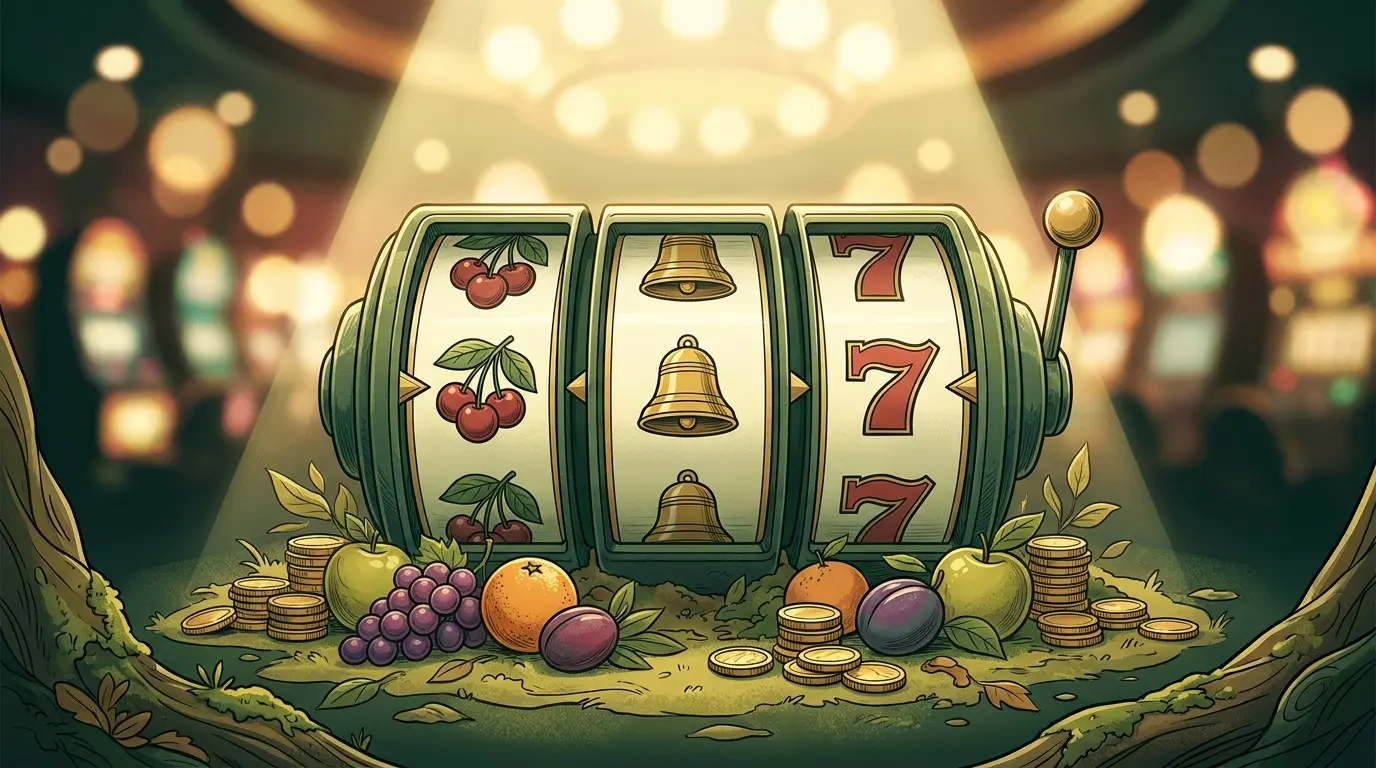
- Classic three-reel slots — the simplest format, usually one to five paylines, fruit and bar symbols, no bonus clutter. Fast and brutal.
- Video slots — five reels, animated themes, free spins, multipliers, scatters. The genre that dominates 80%+ of modern lobbies.
- Megaways slots — a video-slot offshoot where reel heights shift every spin, producing up to 117,649 ways to win.
- Jackpot slots — split into fixed (capped top prize) and progressive (a pooled prize that grows until someone hits it).
- 3D slots — video slots with cinematic graphics and story-driven bonus rounds, built for immersion more than mechanics.
You'll also bump into "fruit machine slots"—a British and Aussie term for classic-style games with fruit symbols, sometimes with skill-based hold-and-nudge features. Over at Pokiescheck we sort games by these families first, because volatility and payout behaviour cluster by type. Pick the family that suits your patience and budget, then drill into the individual title. Most beginners do it backwards—grabbing a flashy theme, then wondering why the math doesn't fit them.
Where Classic Three-Reel Slots Came From
Classic three-reel slots trace straight back to the Liberty Bell, the mechanical machine Charles Fey built in San Francisco around 1895. Three spinning reels, five symbols, one payline—the blueprint that ran for nearly a century. When casinos moved online in the late 1990s, developers rebuilt that exact feel digitally, keeping the bars, cherries, and lucky sevens players already trusted. So what are classic three-reel slots today? Faithful tributes to that original design, often with a single payline and no bonus rounds. They strip away distraction. No free-spin carrots, no animated cutscenes—just spin, result, repeat. That purity is why some long-time players never leave them.
Why the Slot Type You Pick Shapes Your Play
You're sitting with a $50 budget and want it to last the evening. Pick the wrong slot type and you're done in fifteen minutes. Pick the right one and you might play for two hours. The format isn't cosmetic—it dictates how your money behaves.
The difference between classic and video slots shows up immediately in session length. Classic slots with one payline give you fewer winning combinations but cheaper spins. Video slots with 243 ways pay more often but at smaller amounts, smoothing your balance. Megaways crank both the excitement and the swing. Here's a rough comparison from the patterns we see across the genre:
| Slot Type | Typical Volatility | Avg RTP Range | Session Feel |
|---|---|---|---|
| Classic 3-reel | Medium–High | 94%–96% | Fast, swingy, few features |
| Video (5-reel) | Low–High (varies) | 95%–97% | Steady, feature-rich |
| Megaways | High–Very High | 94%–96.5% | Volatile, big-win chasing |
| Progressive jackpot | High | 88%–94% | Long droughts, huge ceiling |
| 3D video | Medium | 95%–96% | Slow, story-driven |
Notice progressives sit lower on RTP—that's because a slice of every bet funds the growing jackpot. You're trading day-to-day return for a shot at life-changing money. There's no "best" type. There's only the type that matches your bankroll, patience, and what you want from the session. A grinder who likes long play should avoid very-high-volatility Megaways. A jackpot dreamer shouldn't expect their balance to survive on a classic three-reeler.
How Volatility and RTP Define Your Risk
Understanding slot volatility and RTP is the single skill that separates players who last from players who tilt. RTP—return to player—is the theoretical percentage a game pays back over millions of spins. A 96% RTP means $96 returned per $100 wagered across that long run, not your session. Volatility is the rhythm of how those returns arrive. Low volatility drips frequent small wins; high volatility starves you, then occasionally pays huge.
Why do some 95% RTP slots feel luckier than 97% ones? Volatility. A high-RTP, high-variance game can bleed you for 200 spins before a single big hit. After tracking thousands of spins across different titles, the lesson was blunt: RTP tells you the long-term math, volatility tells you whether your bankroll survives to see it. Match variance to budget first, then chase RTP.
How Do Video Slots and Megaways Actually Work?
So how do video slots work under the hood? Each spin is decided by a random number generator the instant you click—the reels are just animation showing a result that's already locked. A standard video slot runs five reels and three rows, layering scatters, wilds, free-spin triggers, and multipliers on top of base paylines. The theme is decoration; the RNG and paytable do the real work.
Megaways flips one assumption you didn't know you had: that reels are a fixed height. So what are Megaways slots? A patented engine, licensed from Big Time Gaming, that randomises how many symbols land on each reel every spin—usually two to seven. Six reels each showing a different count multiply together to set your ways-to-win. When all six show seven symbols, you get 7×7×7×7×7×7—117,649 ways. The next spin might collapse to 8,000. That shifting math is why Megaways feels alive and chaotic compared to a static grid.
Most Megaways titles bolt on cascading reels too: winning symbols vanish, new ones drop in, and you can chain several wins from one spin. During free spins, many remove the win cap on a multiplier that climbs with every cascade—that's where the monster payouts come from.
Then there's the question of what a 3D slot game is. These are video slots dressed in cinematic, depth-rendered graphics—characters that react, bonus rounds that play like short games, story arcs across spins. Mechanically a 3D slot is still a video slot; the "3D" is about presentation and immersion, not a different payout system. Don't assume richer graphics mean better returns. In our experience the math is often identical to a plain-looking title from the same studio—you're paying in attention, not in odds. Pick 3D when you want atmosphere, not when you expect an edge.
Reading Paylines and Ways-to-Win Counts
How many paylines do online slots have? Anywhere from a single line on a classic three-reeler to 243, 1,024, or—in Megaways—up to 117,649 ways. The two systems aren't the same. Paylines are fixed patterns where matching symbols must land left to right along a defined route; ways-to-win drop the pattern requirement and pay whenever matching symbols appear on adjacent reels, position-independent.
The practical bit: a 243-ways slot at a $0.50 total stake spreads that bet across all ways automatically, while a 25-payline game may let you adjust active lines. More ways usually means more frequent, smaller wins—lower volatility flavour. Fewer lines means rarer but chunkier hits. Check whether lines are fixed or adjustable before you bet; it changes your minimum spin cost more than players expect.
Inside Fixed and Progressive Jackpot Mechanics
How do fixed jackpot slots work? The top prize is a set amount—say 5,000x your stake—that never changes no matter how many people play. Hit the winning combination and you collect exactly that capped figure. The math is predictable, which is why fixed jackpots usually carry healthier RTP than their progressive cousins.
So what are progressive jackpot slots? Games where a small fraction of every bet—often 1% to 5%—feeds a shared prize pool that grows across all players, sometimes across a whole network of casinos, until one lucky spin triggers it. Network progressives can reach seven figures. The catch? That funding diversion drags base-game RTP down to the 88%–94% range. You're effectively buying lottery tickets with every spin. Most progressive wins come from a random trigger or a dedicated bonus wheel, not a standard payline—so the displayed RTP often excludes the jackpot contribution. Manage expectations: the ceiling is enormous, the odds are tiny.
Matching a Slot Type to How You Want to Play
Before your next session, decide what you actually want from it—then let that pick the slot type. Working backwards from the game tile is how budgets die. Here's the order I teach:
- Set your session goal. Long entertainment, frequent small wins, or one shot at a massive prize? These pull toward completely different slot families.
- Size your bankroll against volatility. A rough rule: stake × 200 is a survivable buffer for high-variance games. If your budget can't cover that, drop to low-volatility video slots.
- Choose the family. Want longevity? Low-volatility video or 243-ways. Want pure speed? Classic three-reel. Chasing dreams? Progressive—but only with money you've written off.
- Check the RTP and volatility rating. Reputable studios publish both. Anything under 95% RTP needs a strong reason; under 90% is almost always a jackpot trade-off.
- Match features to attention span. If you'll get bored without bonuses, classic slots will frustrate you. If you find cutscenes annoying, skip 3D titles.
The fruit machine fans are a category of their own—players who genuinely prefer the stripped-back feel and the occasional hold-and-nudge feature. There's nothing wrong with that. Honestly, knowing what you enjoy beats chasing whatever the lobby pushes to the top. The math always favours the house long-term across every type; the goal is maximising entertainment per dollar, not beating a system that can't be beaten.
Spotting the Most Common Slot Features
What are the most common slot features you'll meet across nearly every video and Megaways title? A handful repeat so often they're practically standard:
- Wilds — substitute for most symbols to complete wins; expanding and sticky variants boost value.
- Scatters — pay regardless of position and usually trigger the free-spin round.
- Free spins — the headline bonus, often with enhanced multipliers or extra wilds.
- Multipliers — multiply a win by 2x, 5x, or more; the engine behind big hits.
- Cascading reels — winning symbols vanish and refill, chaining multiple wins from one spin.
- Bonus buy — pay a fixed multiple of your stake to jump straight into free spins (banned in some markets).
Recognising these in a paytable before you bet tells you instantly where a game's payout potential actually lives.
What to Explore After You Know the Slot Types
You've now got the map—five core families, the mechanics that drive them, and how volatility and RTP shape every session. The single most useful takeaway? Slot type is a math decision disguised as a style choice. Pick the family that fits your bankroll and patience before the theme seduces you, and you've already out-thought most players in the lobby.
From here, dig into the topics that turn knowledge into discipline. Bankroll sizing deserves its own deep study—the stake-to-buffer ratios we touched on connect to a fuller staking guide. Variance and RTP reward closer reading too, especially if you're drawn to high-ceiling games. And reading paytables fluently is a skill worth practising on a few free-play demos before risking real money. Pokiescheck breaks each of these down separately, so treat this as your foundation, not the finish line. Know the type, respect the math, set a limit you'll actually keep—and the games stay fun instead of expensive.